
What Waiting One More Season Actually Costs
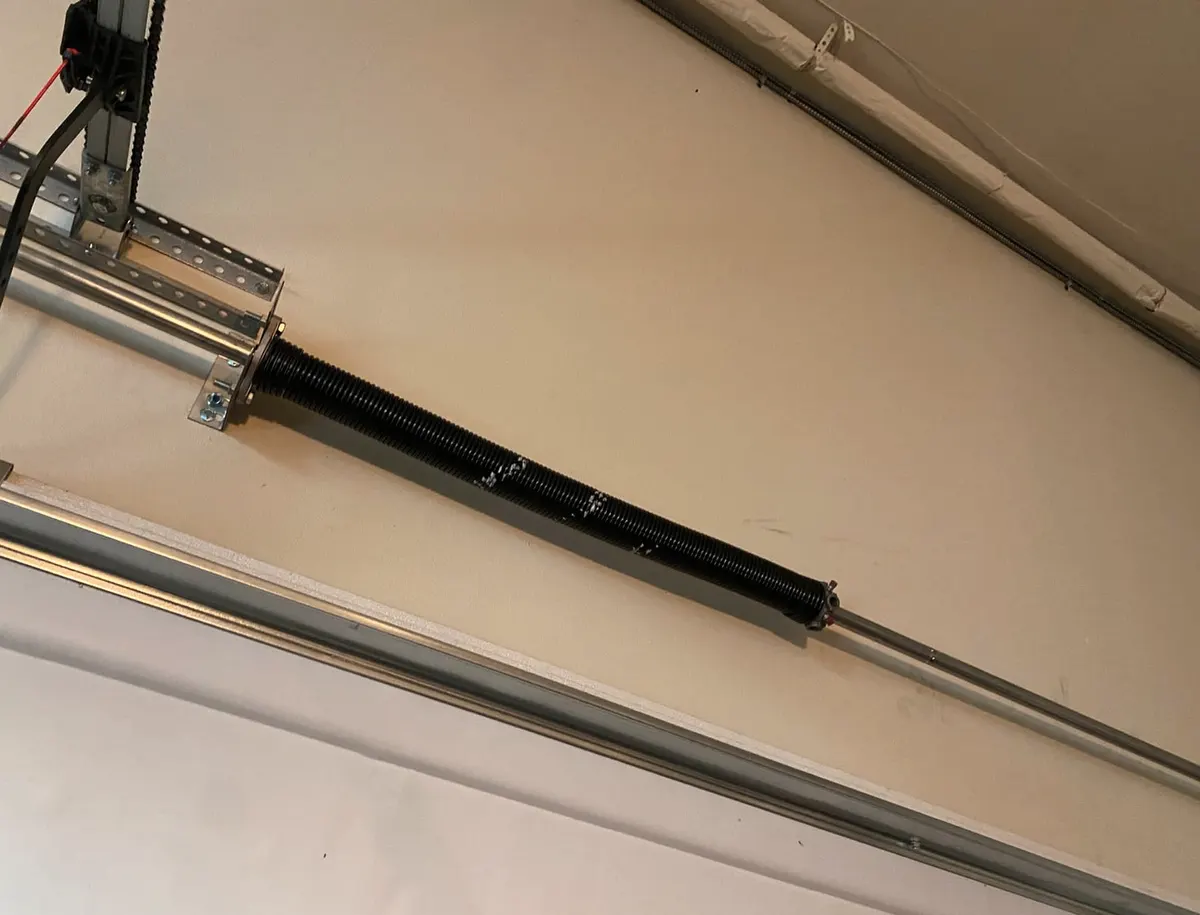
A garage door spring under tension holds back somewhere between 100 and 200 pounds of door weight, depending on size and material. When a worn spring finally lets go, it doesn't just stop working — it can snap with enough force to dent a car, crack a windshield, or injure anyone standing nearby. On top of the safety risk, a broken spring usually means an emergency service call instead of a scheduled repair, and it often takes the opener's drive gear or a cable with it on the way out. What would have been a planned spring replacement turns into a same-day repair bill plus whatever else got damaged in the process. Checking your springs now, before winter's temperature swings add more stress to metal that's already fatigued, is the cheaper and safer path.
The Walk-Through Checklist
You don't need to touch the springs to check most of these. Stand in your garage, look up, and work through the list with the door both open and closed.
1. Gaps Between the Coils
Look at the torsion spring (the one mounted on a shaft above the door) or the extension springs (the ones running along the horizontal tracks). Healthy springs sit with coils touching snugly. If you see uneven gaps opening up between coils, especially when the door is closed, the spring has lost tension and is stretching unevenly. If this fails: the door will feel heavier than it should, and the spring is likely close to the end of its life.
2. Rust or Flaking on the Coils
Run your eyes along the full length of each spring, not just the ends. Rust weakens steel from the inside before it's visible on the surface, and Gwinnett County's humid summers and heavy rain make this a faster process here than in drier climates. If this fails: a rusted spring can snap with little warning, often at a lower tension point than you'd expect from its age alone.
3. A Door That Won't Hold Its Position
Disconnect the opener using the release cord, then lift the door manually to about waist height and let go. A properly balanced door with healthy springs should stay put. If it drifts down or slams closed, the springs are no longer carrying their share of the load. If this fails: the opener motor is compensating for the lost tension every time you use the door, which shortens its lifespan too.
4. Grinding, Popping, or Squealing From the Spring Area
Listen specifically to the top of the door where the torsion spring sits, separate from any noise coming from the rollers or tracks. A popping or scraping sound during operation often means the coils are rubbing against each other unevenly or the shaft bearing is wearing down. If this fails: the spring may be winding and unwinding unevenly, which accelerates metal fatigue and raises the odds of a sudden break.
5. The Door Moves Noticeably Slower Than It Used To
Time how long it takes your door to open fully, if you have a rough sense of how fast it used to move. A door that's visibly sluggish, especially right after a cold snap, may be fighting weak springs rather than just stiff cold hardware. If this fails: the opener is drawing more power to do a job the springs used to handle, which can burn out the motor early.
6. Fraying or Kinked Cables Near the Drums
While you're checking springs, glance at the lift cables running down to the bottom corners of the door. Fraying strands or a cable that's slipped off its drum usually means uneven tension somewhere in the spring system. If this fails: a frayed cable can snap under load, and it often happens at the same time as a spring failure because the two systems share the load.
7. Visible Stretching on Extension Springs (Older Systems)
If your garage uses extension springs instead of a torsion spring, check their resting length against how long they were when installed, if you have that reference, or simply compare the two springs side by side. One stretched noticeably longer than the other means uneven wear. If this fails: the door will pull unevenly to one side as it opens, putting extra stress on the tracks and rollers.
Why Fall and Winter Make This Worse
Metal contracts in cold weather, and the swing between warm fall afternoons and the occasional ice storm here puts extra stress on springs that are already fatigued. Combine that with moisture and pine debris that tend to settle in and around garages through the fall, and a spring that was marginal in October can be a real problem by January. This is a good one to check now rather than waiting for the first hard freeze to find out the hard way.
When to Call Lawrenceville Garage Door
If you spot gaps between coils, rust, a door that won't hold its position, or cables showing wear, it's time to stop testing it yourself. Our Spring Repair & Replacement service includes a full inspection of the torsion or extension system, matched replacement springs rated for your door's weight, and a balance check before we leave. If a spring has already let go or the door is stuck in a dangerous position, our Emergency Garage Door Service gets a technician out quickly so nobody in the household has to deal with a jammed or unsafe door overnight.
If any of these checklist items matched what you're seeing in your own garage, give Lawrenceville Garage Door a call. We serve homeowners throughout Lawrenceville, Suwanee, Duluth, Snellville, Buford, Lilburn, Dacula, and Grayson, and we'd rather replace a worn spring on a Tuesday afternoon than respond to a snapped one on a Saturday night.