
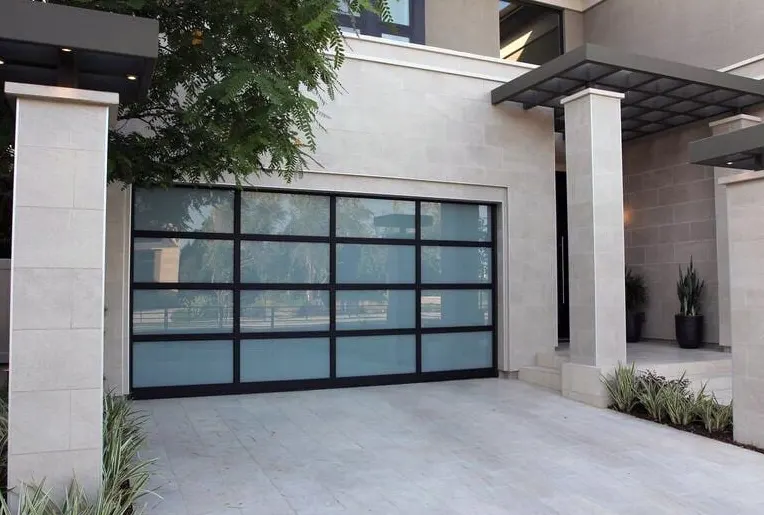
The Mistake Most People Make First
Here's the argument that plays out in a lot of garages: one spouse sees an insulated door with a big R-value number on the sticker and assumes bigger is automatically better, the way a thicker winter coat is better than a thin one. It's a tempting assumption because it's how insulation works everywhere else in the house — more R-value in the attic, warmer house, done. So why wouldn't the same logic apply to the garage door?
Because a garage door isn't a wall. It's a moving panel with seams, hinges, and a bottom seal that touches concrete, and all of that matters more than the number stamped on the panel.
What R-Value Actually Measures (and What It Doesn't)
R-value measures how well a material resists heat moving through it — in this case, through the door panel itself, usually a layer of polystyrene or polyurethane foam sandwiched between steel skins. What it does not measure is how much air leaks around the edges of the door, through the weatherstripping, or under the bottom seal where it meets the slab.
A door rated R-18 with a gapped, worn-out bottom seal can perform worse than an R-6 door with tight seals everywhere. This is the part the sticker never mentions, and it's the first thing worth checking before anyone spends extra money chasing a higher number.
Who Actually Benefits from a High R-Value Door
Insulation earns its keep when the garage is doing more than storing a car and some bins. You're a good candidate for a higher R-value door if:
- The garage shares a wall with living space, or there's a bedroom, playroom, or office above it
- HVAC ductwork, a water heater, or water lines run through the garage
- You use the space as a workshop, home gym, or office and spend real time in there
- The door faces south or west and takes a beating from direct afternoon sun, which is common on a lot of Gwinnett County lots and turns an uninsulated door into a radiator by late afternoon
In these cases, insulation isn't cosmetic. It changes how hard your HVAC system has to work, how much heat bleeds into the rooms next door, and how comfortable the space actually is to use.
Who's Paying for Nothing
If your garage is detached, unheated, and used strictly for parking and storage, a high R-value door is mostly buying you bragging rights. The heat loss you're preventing isn't heating or cooling anything you care about, because there was never conditioned air in there to begin with.
The same goes for an attached garage where the shared wall and the door into the house are already well air-sealed and insulated. In that setup, the garage door's R-value has very little to influence — the real barrier between conditioned and unconditioned space is the wall, not the door.
The Seal Problem Nobody Mentions
Before anyone upgrades a door for the insulation alone, check the weatherstripping along the sides, top, and especially the bottom seal. In this climate, with heavy rain, pollen loads that cake into tracks and seals, and pine straw that works its way into every gap, seals degrade faster than people expect. A gapped or compressed seal lets in humid air, bugs, and dust regardless of what the panel itself is rated for. Fix the seals first — it's cheap, and it tells you whether the R-value upgrade will even matter.
The Real Trade-offs Worth Knowing
Insulated doors typically run higher than uninsulated steel doors, with national price ranges often landing noticeably above basic single-layer doors depending on size and style. A few things to weigh beyond the sticker number:
- Insulated doors are heavier, which means springs and sometimes the opener need to be sized correctly for the added weight — this isn't optional, it's a safety and longevity issue
- Noise dampening is a real, separate benefit from thermal performance — insulated doors are quieter whether or not the R-value matters for your heating bill
- Insulated doors resist condensation better in humid summers, which matters if you've noticed moisture beading on the inside of your current door
So Who Wins the Argument
If the garage touches living space, holds equipment that cares about temperature, or gets hammered by sun, the higher R-value door is worth it — and the spouse pushing for it is right. If the garage is a detached, unconditioned box for the car and the lawn mower, the insulation is a nice-to-have at best, and the money is better spent on sealing, a quieter opener, or just a durable uninsulated door.
When to Call Lawrenceville Garage Door
If you're not sure which camp you fall into, or your current seals look worn and gapped, that's worth a look before anyone buys a new door. Our Garage Door Maintenance & Tune-Up service checks seals, weatherstripping, and balance so you know whether insulation upgrades will actually do anything. If you do decide to upgrade, our Garage Door Installation team will make sure the springs and opener are matched to the added weight of an insulated panel from day one.
Settle the argument with real numbers, not guesswork — call Lawrenceville Garage Door and we'll tell you straight whether an insulated door is worth it for your garage.